Clear Gelatin Capsules vs. Plant-Based Capsules: Finding Your Perfect Fit

When it comes to gelatin vs vegetarian capsules, the decision often comes down to your specific needs, whether it’s dietary preferences, stability, ethics, or budget. In this guide, we’ll break down what each type of capsule is, compare their ingredients, how they perform, and what they're best suited for. We’ll also look at filling options and certifications. You’ll discover:
- The composition of clear gelatin capsules and their upsides and downsides
- How vegetable cellulose (made from HPMC and pullulan) differ in what they're made of and their advantages
- A direct comparison of where they come from, how stable they are, how quickly they dissolve, their cost, and how well different ingredients fill them
- Our recommendations for people focused on health, businesses in the supplement industry, and healthcare professionals
- How Capsule Connection’s filling machines and our commitment to ethical practices can help you make the best choice
What Exactly Are Clear Gelatin Capsules and What’s Inside Them?
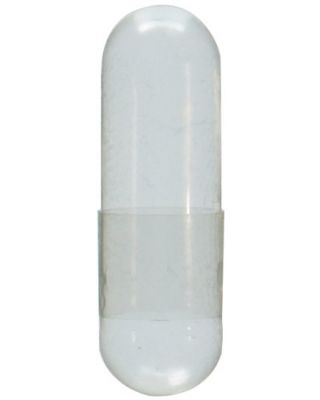
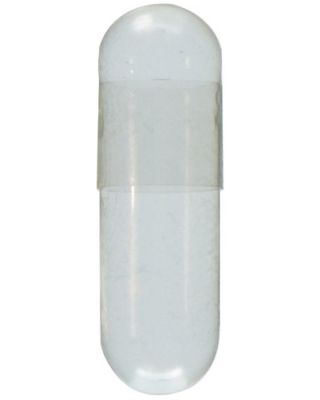
Clear gelatin capsules are crafted from collagen derived from animals, forming a transparent shell that dissolves quickly in your stomach. They’re the go-to choice for many supplements designed for immediate release, and they work well with a wide variety of powdered ingredients.
What Ingredients Go Into Gelatin Capsules?
Gelatin capsules are made with simple, body-friendly ingredients that give them flexibility and ensure they break down fast:
| Component | Source | Purpose |
|---|---|---|
| Gelatin | Collagen from cows or pigs | Forms the capsule’s outer shell |
| Purified Water | Treated water | Helps shape and make the shell flexible |
This blend results in capsules with about 13–16% moisture, giving them reliable strength and ensuring they break down quickly in the digestive system. Some manufacturers add preservatives. Capsule Connection has no preservatives in any of their capsules.
What Are the Perks of Using Gelatin Capsules?
Gelatin capsules offer several advantages in terms of performance and cost:
- Quick Dissolving: The shell breaks down rapidly, typically within 4–10 minutes, allowing for faster absorption of the supplement’s contents.
- Budget-Friendly Production: They are less expensive to manufacture, which translates to more competitive pricing for businesses.
- Crystal Clear Appearance: Their transparency allows you to see the filling inside, making it easy to check the quality and appearance of the product.
These benefits make gelatin capsules a smart choice for formulas that need to work fast and for companies mindful of production costs.
What Are the Downsides and Limits of Gelatin Capsules?
Even though they’re widely used, gelatin capsules do have some limitations:
- Not for Everyone’s Diet: They aren’t suitable for individuals following a vegan or vegetarian diet, or for those observing Halal or Kosher practices, unless the capsules are certified Kosher or Halal. All of Capsule Connection capsules are certified both Kosher and Halal.
- Sensitive to Moisture: Their higher water content can speed up the breakdown of ingredients that absorb moisture easily.
- Potential for Hardening: If not stored properly, the shells can become harder over time, which might slow down how quickly they dissolve.
- Sensitive to Heat: Gelatin has a low melting point, compared to vegan capsules. So care must be taken not to expose gelatin capsules to heat.
Understanding these points is key to handling them correctly and deciding if plant-based alternatives might be a better fit for your needs.
What Are Vegetarian Capsules and How Are They Different?

Vegetarian capsules replace animal-derived gelatin with plant-based materials, most commonly HPMC (hydroxypropyl methylcellulose) or pullulan. These offer wider dietary compatibility and better stability for products sensitive to moisture.
What Materials Are Used to Make Vegetarian Capsules?
Vegetarian capsule shells are primarily made from two plant-based ingredients:
| Material | Origin | Key Feature |
|---|---|---|
| HPMC (Hydroxypropyl Methylcellulose) | Cellulose from trees like pine or poplar | Low moisture content (3–8%), doesn’t carry an electrical charge, and is hypoallergenic |
| Pullulan | A polysaccharide created through fermentation | Provides an excellent barrier against oxygen and oils |
Both of these materials ensure the capsules are suitable for vegans, vegetarians, and those observing Halal and Kosher diets, and are free from common allergens, while offering distinct performance characteristics.
What Are the Main Advantages of Vegetarian Capsules?
Switching to plant-based capsules brings these benefits:
- Suitable for All Diets: They are naturally vegan, vegetarian, Kosher, Halal, and non-GMO, meeting global dietary and religious requirements.
- Enhanced Stability: With less moisture and better resistance to heat, they extend the shelf life of products, especially those containing probiotics or ingredients that easily absorb moisture.
- No Taste or Smell: HPMC and pullulan are flavorless and odorless, preserving the intended taste and scent of your product.
- Resistant to Liquids: HPMC is the best capsule choice when filling with most oils or alcohols. As long as the liquid does not contain water, they will be stable with those liquids.
Their protective qualities are ideal for delicate ingredients and for brands aiming for a premium, conscious image.
What Should You Consider About Vegetarian Capsules?
There are a few specific points to keep in mind with vegetarian options:
- Higher Price Point: The premium sourcing of these materials means they generally cost more per capsule than gelatin.
- Variable Dissolving Times: HPMC might dissolve a bit more slowly, while pullulan dissolves quickly but comes at a higher cost.
- Specialized Handling Needed: Some filling processes might require adjustments to machinery settings for optimal results with these capsule types.
Weighing the cost against performance will help you select the best plant-based polymer for your specific product.
Gelatin vs Vegetarian Capsules: How Do They Stack Up?
How Do Ingredients and Sourcing Differ Between Gelatin and Vegetarian Capsules?
| Capsule Type | Raw Material Source | Ethical/Regulatory Considerations |
|---|---|---|
| Gelatin | Animal collagen (from cows or pigs) | May require Halal/Kosher certification if specific animal-origin rules apply |
| HPMC Vegetarian | Plant cellulose (from wood pulp) | Naturally vegan, Kosher, Halal, and non-GMO |
| Pullulan Vegetarian | Fermented polysaccharide | A premium vegan option with excellent protective barrier qualities |
What Are the Differences in Dietary and Ethical Suitability?
Gelatin capsules contain animal by-products, making them unsuitable for vegans and certain religious groups. In contrast, both HPMC and pullulan capsules meet vegan, vegetarian, Halal, and Kosher standards, supporting brands focused on ethical and cruelty-free products.
How Do Stability and Shelf Life Compare?
Gelatin capsules contain more moisture (13–16%), which can lead to moisture absorption by sensitive ingredients. HPMC capsules have much lower moisture content (3–8%), and pullulan has even less, offering superior protection against humidity and temperature changes. This makes vegetarian capsules the preferred choice for organic products, probiotics, and nutraceuticals that need to remain stable.
Which Capsule Type Dissolves Faster and Offers Better Absorption?
Gelatin capsules typically dissolve within 4–10 minutes, providing immediate release. Pullulan vegetarian capsules offer similar fast dissolution, while HPMC might take up to 15 minutes. Faster dissolution aids quick nutrient absorption, but HPMC’s slightly slower rate can be beneficial for extended-release formulations.
What Are the Cost Differences for Everyone Involved?
Gelatin capsules are generally more affordable due to lower raw material and production costs, making them ideal for high-volume products. Vegetarian capsules come at a premium, often 10–30% more per unit, but this can be justified by higher retail prices for specialized or ethically sourced products. Businesses need to consider their target market and brand image when setting prices.
How Well Do These Capsules Work with Different Fillings?
Both types of capsules are suitable for powders, dry blends, herbal extracts, oils, and probiotics. However, vegetarian capsules are particularly advantageous for ingredients sensitive to moisture and for live cultures, thanks to their low water content and protective barriers. Gelatin capsules perform reliably with standard herbal powders and common vitamins.
Which Capsule Type is the Best Fit for Different Users and Uses?
The choice between gelatin and vegetarian capsules depends on who will use them and the type of product being made.
- Consumers: Vegetarian capsules work best for people who follow vegan, vegetarian, Halal, or Kosher diets. Gelatin capsules are a good fit for those who want fast-dissolving, cost-effective options.
- Businesses: Gelatin capsules are popular for large-scale, affordable supplement production. Vegetarian capsules are often chosen for premium or sensitive formulas that need extra stability.
By matching the capsule type to the user’s needs, you can make sure the supplement is both effective and accessible.
Which Capsules Are Best for Health-Conscious Consumers?
Consumers who prioritize vegan, allergen-free, or religiously compliant supplements will naturally gravitate towards vegetarian capsules. Pullulan is excellent for high-end probiotics and delicate plant extracts, while HPMC offers a cost-effective vegan option for everyday multivitamins.
Which Capsules Are Ideal for Supplement Businesses and Healthcare Providers?
For large-scale production aimed at a broad audience, gelatin capsules provide an economical solution for immediate-release products. However, businesses and practitioners creating specialized formulas, custom herbal blends, or premium nutraceuticals will find that vegetarian capsules offer superior stability and appeal to ethically minded consumers.
What Capsule Filling Solutions Work for Both Gelatin and Vegetarian Capsules?

How Does "The Capsule Machine" Make Home Filling Easy?
“The Capsule Machine” from Capsule Connection simplifies filling capsules at home. Made from BPA-free ABS plastic, it’s designed for capsule sizes 000 down to #1, and can fill 24 capsules in less than two minutes. This makes it perfect for creating personalized supplements with ingredients you trust, avoiding unnecessary additives found in store-bought options. Learn more about The Capsule Machine.
What Professional Capsule Filling Machines Are Available?
Our ProFiller machines are built for commercial use, capable of filling hundreds of capsules per minute and designed to work seamlessly with both gelatin and vegetarian capsules. These benchtop units feature adjustable speed settings, automatic capsule sorting, and precise dosing mechanisms to ensure consistent fill weights for large production runs.
How to Pick the Right Capsule Size for Your Needs?
When choosing a capsule size, our capsule size guide can help you determine how much powder you need to fit and how easy it should be to swallow:
- Size 000 can hold up to 1,000 mg of powder, making it ideal for concentrated extracts.
- Size 00 is suitable for 500–800 mg, commonly used for multivitamins.
- Sizes 0 through 1 are best for 300–500 mg blends, often used for botanical supplements.
Selecting the correct size ensures you don’t underfill or overfill, and helps users take their supplements consistently.
What Certifications and Ethical Commitments Set Capsule Options Apart?
Choosing certified and ethically sourced capsules ensures safety, quality, and consumer trust. Key certifications include FDA compliance, Halal/Kosher, Vegan, and GMP, which confirm that capsules meet strict regulatory and dietary standards. Ethical sourcing involves transparent supply chains, sustainable practices, and humane production. Opting for certified and responsibly made capsules guarantees high-quality supplements that align with global standards and consumer values.
What Do FDA, Halal, Kosher, and Vegan Certifications Mean for Capsules?
Capsule shells can come with various important certifications:
- FDA Compliance: Ensures the materials used meet safety and labeling standards set by the Food and Drug Administration.
- Halal/Kosher Certification: Confirms that the capsules meet specific religious dietary laws, whether derived from animals or plants.
- Vegan Certification: Guarantees that no animal-derived ingredients are used and that cross-contamination is avoided.
Obtaining these certifications is crucial for reaching global markets and appealing to specific consumer groups.
How Does Capsule Connection Champion Ethical and Sustainable Practices?
Since 2016, Capsule Connection has dedicated over 80% of its profits to charitable causes. We source non-GMO, sustainably grown cellulose for our vegetarian capsules. Our commitment to high quality, affordability, and social responsibility is reflected in our transparent supply chain, which resonates with consumers who care about ethical sourcing.
Most Common Questions About Gelatin vs. Vegetarian Capsules
Are Vegetarian Capsules Better Than Gelatin Capsules?
Vegetarian capsules offer advantages like vegan, Halal, and Kosher compliance, along with better protection against moisture and oxygen. Gelatin capsules, on the other hand, dissolve faster and are more cost-effective per unit. The best choice depends entirely on your specific dietary needs, how stable your product must be, and your budget.
What Are the Downsides of Gelatin Capsules?
Gelatin capsules are not suitable for strict vegans or certain religious diets. They contain more moisture, which can impact sensitive ingredients, and they risk becoming hardened in humid conditions, potentially slowing down dissolution.
Are HPMC Capsules Safe and Suitable for Everyone?
Yes, HPMC capsules are hypoallergenic, don’t carry an electrical charge, and are made from plant cellulose. This makes them a safe option for vegans, vegetarians, and individuals with common food allergies.
Which Capsule Type Dissolves Faster?
Gelatin capsules typically dissolve within 4–10 minutes in stomach fluid. Pullulan vegetable cellulose dissolve just as quickly, while HPMC capsules may take up to 15 minutes. This provides options for both immediate and more controlled release needs.
What Are Vegetarian Capsules Made Of?
Vegetarian capsules are made from HPMC (cellulose from plants) or pullulan (a polysaccharide from fermentation), combined with purified water and sometimes other gelling agents. They create stable shells that are tasteless and odorless.
How Does the Cost Compare Between Gelatin and Vegetarian Capsules?
Gelatin capsules are generally 10–30% cheaper per unit than vegetable cellulose due to lower material and production costs. Vegetarian capsules are priced higher, reflecting their premium nature and specialized compliance features.
Conclusion
Choosing between clear gelatin capsules and plant-based vegetarian capsules ultimately depends on your dietary needs, ethical considerations, and product stability requirements. Each type offers distinct advantages, from the quick dissolution of gelatin to the moisture resistance of vegetarian options, ensuring you can find the perfect fit for your supplements. Understanding these differences empowers you to make informed decisions that align with your values and goals. Explore our range of capsule solutions today to find the ideal match for your needs.