How Temperature Affects Your Clear Gelatin Capsules: Optimal Storage and Stability Guide

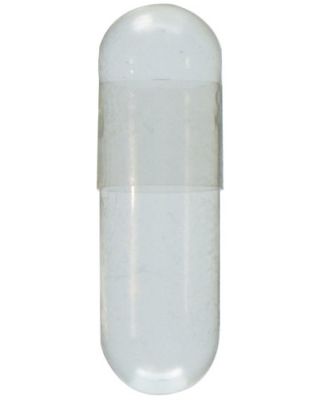
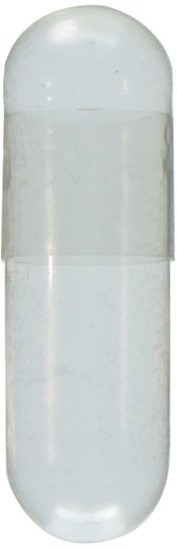
Clear gelatin capsules are transparent shells made from gelatin and water that provide a clean, flexible way to encapsulate powders and granules. Because gelatin is sensitive to both temperature and humidity, these environmental factors directly affect a capsule’s moisture content, flexibility, dissolution rate, and overall handling performance.
This guide explains how temperature and humidity influence clear gelatin capsules, why maintaining the right storage conditions is essential, and how to prevent issues like stickiness, brittleness, or cross-linking. You’ll learn the ideal temperature and humidity ranges, how heat and moisture cause physical and chemical changes in gelatin, and the best practices for storing, handling, and troubleshooting capsules. Practical insights are included for both consumers and small-scale manufacturers, supported by actionable tips to preserve capsule quality, shelf life, and performance.
What Is the Ideal Temperature and Humidity for Storing Clear Gelatin Capsules?
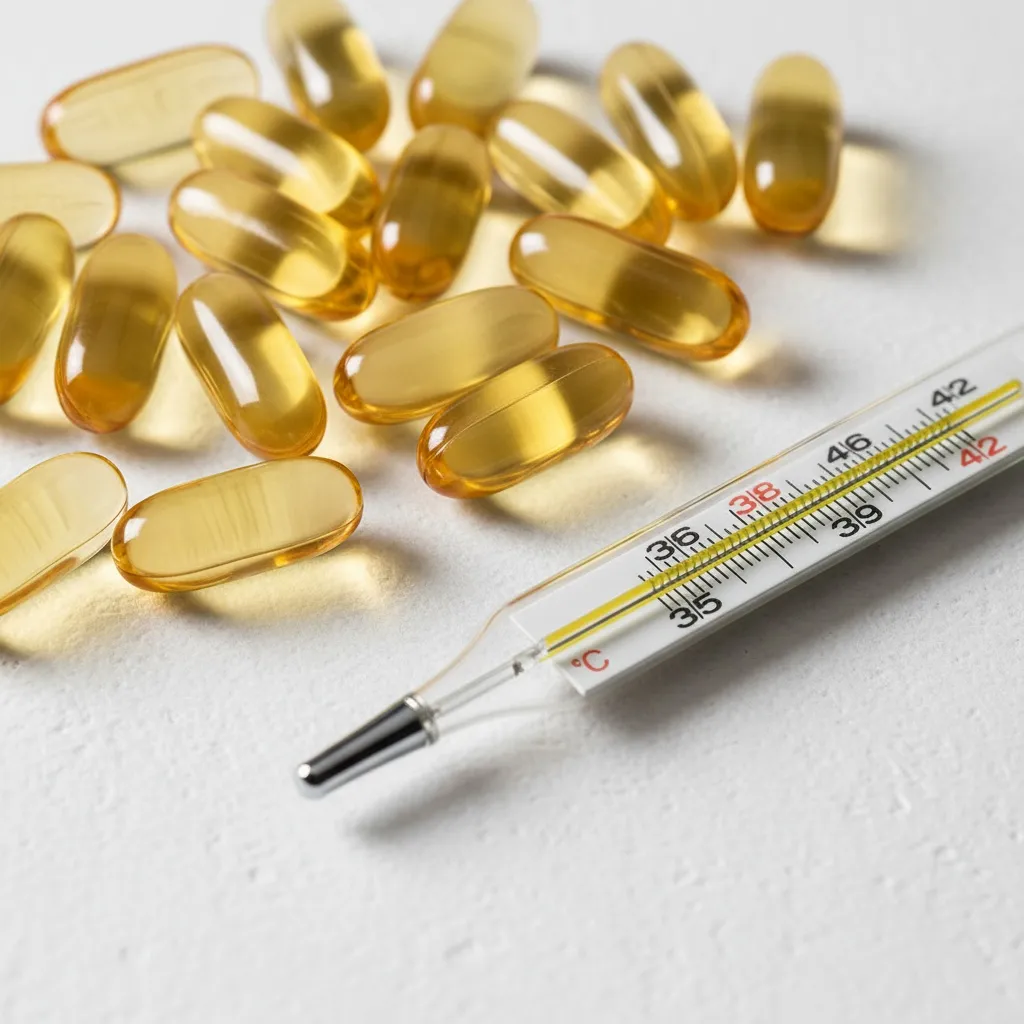
Ideal storage of capsules requires balancing temperature and relative humidity to stabilize the shell’s moisture content and mechanical properties. Maintaining a moderate temperature prevents plasticizer migration and moisture gain or loss, which preserves capsule flexibility and dissolution performance. The recommended range minimizes risks such as softening, sticking, embrittlement, and accelerated cross-linking, delivering consistent handling for filling operations and reliable dissolution in use.
Below are practical numeric ranges and key rationale to guide both consumers and small-scale manufacturers before we break the topic into temperature range, RH effects, and the combined interaction.
Clear gelatin capsule optimal storage reference:
| Storage Parameter | Recommended Range | Rationale |
|---|---|---|
| Temperature | 15–25°C (59–77°F) | Stabilizes gelatin matrix and reduces plasticizer migration |
| Relative Humidity (RH) | 35–65% RH | Maintains target moisture content without stickiness or brittleness |
| Target moisture content (empty shells) | ~12–16% water | Preserves flexibility and dissolution consistency |
Keeping conditions within the ranges above reduces both physical deformation and chemical instability for clear gelatin capsules, and the next section explains why the 15–25°C band matters for physical stability.
What Temperature Range Ensures Gelatin Capsule Stability?
The stability of hard gelatin capsules is achieved mainly in the 15–25°C band because this range keeps the gelatin glass transition well above ambient and prevents plasticizer migration. At these temperatures, the gelatin shell retains enough bound water to stay flexible while avoiding softened surfaces that cause sticking during handling. Storage above 30°C commonly triggers shell softening and surface tack, while extended exposure to 40°C and higher can produce deformation and partial collapse. Maintaining the recommended band supports predictable capsule filling performance and consistent dissolution behavior, which is critical when capsules are used for supplements or research preparations.
How Does Relative Humidity Impact Capsule Quality?
Monitoring humidity in capsules is critical because relative humidity controls a capsule’s equilibrium moisture content by driving sorption or desorption of water into the gelatin-polymer matrix, directly affecting mechanical behavior. High RH (above ~65%) increases bound and free water in shells, producing soft, tacky surfaces and higher risk of sticking or microbial concerns in poorly sealed packaging. Low RH (below ~35%) causes moisture loss that increases brittleness and cracking during handling and filling. Monitoring RH with a simple hygrometer and using desiccants for long-term storage helps maintain the recommended 35–65% window and preserves both handling and dissolution characteristics.
How Do Temperature and Humidity Work Together to Affect Capsules?
Temperature and humidity capsules operate together through their joint effect on equilibrium moisture content and gelatin mobility, so hot-and-humid conditions rapidly accelerate softening while cool-and-dry conditions accelerate embrittlement. For example, a hot warehouse at 30°C and 70% RH will promote plasticizer migration and surface tackiness, whereas a cold storage at 5°C and 20% RH risks brittle shells that crack on filling. Practical monitoring ensures that storage conditions for capsules using a thermometer, hygrometer, sealed containers, humidity packs, or climate control are maintained according to likely seasonal variations during storage and transport.
What Happens to Clear Gelatin Capsules at High and Low Temperatures?
High and low temperature exposure produce distinct, often reversible, or irreversible changes in clear gelatin capsules that alter handling, dissolution rate, and safety for filled products. High temperatures soften the gelatin matrix and can mobilize plasticizers, causing sticking, deformation, or even reaching the gelatin capsule melting temperature, which may lead to fusion between shells. Low temperatures remove bound moisture and reduce flexibility, producing embrittlement and cracking that compromise fill integrity. The following mapping table connects temperature bands to observable effects and helps determine remediation or discard decisions.
| Temperature Condition | Typical Observable Effect | Practical Concern |
|---|---|---|
| >30°C (86°F) | Softening, surface tack, deformation | Sticking in trays, reduced fill uniformity |
| 20–30°C (68–86°F) | Stable if RH controlled | Normal handling with RH control |
| 0–10°C (32–50°F) | Increased stiffness, risk of cracking on impact | Acclimation needed before filling |
| <-10°C (<14°F) | Severe embrittlement and fracture risk | Likely discard if repeatedly frozen |
Understanding these mappings allows operators to triage batches after temperature excursions, and the next subsections describe mechanisms behind high-temp softening, low-temp brittleness, and fluctuation-driven degradation pathways.
How Does High Temperature Cause Softening and Melting in Gelatin Capsules?

High temperature accelerates molecular mobility within the gelatin matrix and can lower the effective glass transition temperature, producing soft, tacky shells and sometimes partial melting-like flow at contact points. Heat can drive plasticizers toward the surface and reduce inter-chain hydrogen bonding, which leads to decreased mechanical strength and more surface stickiness. Immediate remediation involves quickly moving affected capsules to a cool, dry area, separating stuck shells if possible, and allowing slow re-equilibration; long exposures that cause visible deformation or fusion often require discarding the batch. Recognizing early signs such as gloss changes or surface tack simplifies triage and recovery decisions.
Research has shown that elevated temperatures can significantly alter the physical properties of gelatin capsules, leading to issues like softening and increased disintegration times.
Effect of Storage Temperature on Soft Gelatin Capsule Properties
The effect of storage temperature on the physicochemical properties of soft gelatin capsule shells was studied to interpret a change in the internal structure of those capsule shells whose disintegration time was remarkably prolonged by storage at 40°C or more. The capsules were stored at 25, 40 or 60°C for a maximum of 6 months. The time-courses of the disintegration time of these capsules were determined and compared with those of the following three physicochemical properties of the shells : the equilibrium swelling ratio (Seq), the gel strength of the swollen shells, and the percent of gelatin dissolved after 10 min (D10) from the shells. From these evaluations, it was found that the prolongation of the disintegration time of the capsules stored at 40°C was based on a decrease in Seqof the shells and/or D10of gelatin from the shells, and/or an increase in the gel strength of the swollen shells.
What Are the Effects of Low Temperature on Capsule Brittleness and Cracking?
Low temperatures cause desorption of bound water and restrict polymer chain mobility in gelatin shells, resulting in reduced flexibility and a higher likelihood of cracking during handling and filling. In practice, brittle capsules may fracture when popped from blister packs, crushed during capsule-filling plates, or split while being compounded, increasing loss and contamination risk. Gentle acclimation bringing capsules to recommended storage temperature slowly and allowing humidity equilibration reduces fracture risk, while routine checks during cold-season shipping help avoid large-scale product loss.
How Do Temperature Fluctuations Lead to Capsule Degradation?
Temperature fluctuations, combined with poor gelatine capsule moisture control, cause cyclical moisture uptake and loss, leading to repeated expansion and contraction, microcracking, and accelerated chemical changes. Warehouses with unregulated day–night swings or shipments that move between air-conditioned and hot-truck environments are especially susceptible. Mitigation strategies include insulated packaging, stable climate storage, and careful routing to avoid hot legs during transit controls that reduce mechanical stress and preserve capsule performance during filling and end-use.
How Does Temperature Influence Chemical Changes Like Cross-linking in Gelatin Capsules?
Temperature and humidity not only cause physical changes in gelatin capsules but also accelerate chemical reactions such as cross-linking, which alters dissolution properties and may reduce bioavailability for filled products. Cross-linking forms stronger covalent or non-reversible links between gelatin chains that resist hydration and enzymatic or acid dissolution, producing slower or failed disintegration. Preventing cross-linking through environmental control and avoiding exposure to reactive contaminants preserves capsule dissolution profiles and performance.
What Is Gelatin Cross-linking and How Is It Triggered by Heat?
Gelatin cross-linking is a chemical process where gelatin chains form additional bonds often promoted by heat, moisture, or reactive aldehydes, leading to a denser network that resists water penetration. Heat increases molecular collisions and can activate reactive groups, while elevated humidity can facilitate condensation reactions or promote interactions with contaminants. Early detection signs include unusually slow dissolution in water or acidic media and an outer film that remains intact longer than expected during disintegration tests. Recognizing triggers and signs early helps prioritize preventive actions.
How Does Cross-linking Reduce Capsule Dissolution and Efficacy?
Cross-linked gelatin becomes less soluble and less swellable, which slows disintegration and reduces the release rate of the enclosed active material, potentially lowering bioavailability for drugs or the intended release profile for supplements. This reduction in dissolution can be detected by routine dissolution or disintegration testing and should prompt investigation into storage history and manufacturing exposure. When cross-linking is suspected in a critical batch, analytical testing may be required to determine whether the product still meets performance specifications.
Can Cross-linking Be Prevented Through Temperature Control?
Yes. Preventive measures include stable, moderate temperatures; controlled RH within the recommended 35–65% band; avoiding exposure to reactive chemicals and aldehydes in storage areas; and minimizing extended heat exposure during transport or warehouse stacking. For production, controlling process temperatures and ensuring materials are stored in sealed containers reduces the risk of chemical triggers. Monitoring with temperature and humidity logs combined with periodic dissolution checks creates an early-warning system to prevent irreversible cross-linking before field use.
What Are the Best Practices for Clear Gelatin Capsules Storage and Handling to Maintain Quality?
Best practices for storage and handling focus on maintaining stable temperature and humidity, using protective packaging, and adopting handling protocols that limit mechanical and thermal stress. Proper procedures preserve capsule integrity through distribution, filling, and end-use, improving shelf life and ensuring reliable dissolution. The guidance below splits consumer-level steps, business-scale storage solutions, and Capsule Connection product support to map actions to needs and resources.
Consumers and small-scale handlers can follow simple steps to reduce heat damage and humidity-related issues.
- For proper storage capsule care keep them in a cool, dark cupboard away from heat sources to maintain recommended temperatures and limit light exposure.
- Use airtight containers with humidity packs or desiccants to stabilize RH for opened blister packs or jars.
- Avoid pantry areas above ovens or near hot pipes where localized temperature spikes occur during cooking or heating.
These easy measures reduce the most common household risks; the next subsection describes low-cost consumer container recommendations and response steps after heat exposure.
How Should Consumers Store Capsules to Avoid Heat Damage?
Consumers should treat clear gelatin capsules like moisture-sensitive items: keep them in sealed containers, away from direct sunlight and heat sources, and consider a small humidity pack for long-term storage. Reading supplier storage labels and moving capsules to a temperature-stable room during heat waves prevents short-term spikes from causing softening or sticking. If capsules appear sticky after heat exposure, spread them out on a cool, dry tray to re-equilibrate and check for permanent deformation; if shells have fused or fail to separate, replacement is safer than reuse.
What Storage Solutions Do Businesses Use to Control Temperature and Humidity?
Businesses typically use climate-controlled storage rooms, dehumidifiers, and continuous temperature/RH logging to maintain consistent conditions and protect large inventories of capsules during filling and packaging operations. For pallet-level control, businesses use sealed shrink-wrapped pallets with desiccant chambers and zoned HVAC to reduce hot spots; smaller operations often adopt portable dehumidifiers, insulated cabinets, and humidity indicators at the rack level. Integration with filling workflows is essential, capsule filling machines perform best when incoming shells are within target moisture ranges, so monitoring upstream storage directly supports manufacturing yield and product quality.
Which Capsule Connection Products Support Proper Capsule Storage and Filling?
Capsule Connection provides product options that support storage stability and filling efficiency without replacing broader environmental controls. Their empty gelatin capsules are available to supply users who need consistent shells for small-batch production or consumer refills, while capsule filling machines including a named solution, The Capsule Machine help translate stable shells into efficient filled products. For teams balancing storage and filling, choosing robust empty gelatin capsules and pairing them with appropriate capsule filling machines reduces handling time and the chance of heat-related losses in small-scale production environments.
How Does Temperature Affect the Shelf Life and Stability of Clear Gelatin Capsules?
Temperature deviations and humidity fluctuations shorten shelf life by accelerating physical deterioration, chemical cross-linking, and potential microbial risks in poorly sealed packaging. Under optimal storage (15–25°C and 35–65% RH), empty gelatin capsules typically retain expected mechanical and dissolution attributes for the shelf life claimed by their manufacturer, while heat spikes and humidity excursions can materially shorten that period. The table below maps common deviations to likely impacts on shelf life to help inventory planners and logistics teams make triage decisions.
Shelf-life impact mapping for storage deviations:
| Storage Deviation | Typical Impact on Shelf Life | Practical Action |
|---|---|---|
| Short heat spike (1–7 days at 30–40°C) | Moderate shortening; increased softening risk | Quarantine, inspect, re-condition if possible |
| Prolonged heat exposure (>2 weeks >30°C) | Significant shortening; deformation likely | Consider discard or restricted use |
| Low RH (<30%) extended | Embrittlement risk | Re-humidify under controlled conditions if feasible |
| Frequent temperature cycling | Accelerated degradation | Improve insulation and monitoring for shipments |
This mapping helps quality teams quantify risk after environmental excursions and decide when to test or discard inventory.
What Is the Typical Shelf Life Under Optimal Temperature Conditions?
Under stable storage within 15–25°C and 35–65% RH, empty gelatin capsules generally maintain mechanical integrity and dissolution performance for the period specified by the manufacturer, provided packaging remains sealed and free from contamination. Shelf-life characteristics assume appropriate packaging and absence of chemical exposures that can trigger cross-linking; deviations during transport or storage are the primary drivers of early failure. Routine batch sampling and periodic dissolution checks provide data to support or extend on-hand inventory usability.
How Do Temperature Deviations Shorten Capsule Shelf Life?
Heat accelerates chemical reactions and plasticizer migration, which together promote softening, deformation, and cross-linking that reduce shelf life and performance. Repeated cold–hot cycles increase microstructural stress and mechanical failure rates. When deviations occur, corrective actions include isolating affected lots, documenting environmental exposures, and performing targeted disintegration or dissolution testing to determine whether the capsules still meet performance specifications.
How Can Proper Temperature Management Extend Capsule Usability?
Extending capsule usability relies on prevention and monitoring: store inventory in stable environment rooms, use humidity packs and sealed containers for opened stock, rotate inventory FIFO to avoid long dwell times, and implement environmental logging for shipments. For manufacturers, coupling these controls with batch-level QA testing and environmental limits for accepting returns creates a defensible system that prolongs usable shelf life and reduces waste.
What Unique Temperature Considerations Apply to Clear Versus Opaque Gelatin Capsules?
Clear gelatin capsules expose the shell to direct light and make degradation easier to see, but transparency affects more than appearance: clear shells may incorporate fewer light-blocking additives and therefore require more attention to UV and visible light exposure. Temperature sensitivity is similar across clear and opaque shells in chemical terms, however packaging adjustments help mitigate light-driven risks for clear varieties. The following comparison explains how transparency changes monitoring and storage recommendations.
How Does Transparency Affect Heat and Light Sensitivity?
Transparency increases the visibility of discoloration and dissolution anomalies, so early signs of damage are easier to detect in clear capsules, but the shells may also lack certain UV-stabilizing pigments found in opaque shells. Visible light combined with elevated temperature can hasten the appearance of surface cloudiness or content oxidation for light-sensitive fills, so using opaque or UV-filtering secondary packaging can reduce combined light-and-heat stress. Visual inspection of clear shells remains a useful first-line QA check precisely because changes are more apparent.
Are Clear Capsules More Prone to Temperature-Related Degradation?
Material formulation and plasticizer levels determine temperature sensitivity more than clarity alone, but clear capsules without UV additives may be handled less forgivingly in bright, warm environments. In practice, clear shells can perform equivalently to opaque shells when stored within recommended temperature and RH conditions, yet operators should be mindful that visual cues of degradation will appear sooner and should be acted upon as part of standard QA checks.
What Storage Adjustments Are Recommended for Clear Capsules?
For clear capsules, prioritize light-blocking secondary packaging and stable, moderate-temperature storage to limit combined photo-thermal stress. Labeling batches with storage instructions and using FIFO rotation reduces dwell time under exposure. If using clear shells for light-sensitive fills, add an opaque outer carton or foil pouch to block light while maintaining the recommended environmental conditions.
How Can You Troubleshoot Common Temperature-Related Issues with Clear Gelatin Capsules?
A troubleshooting framework begins with visual triage, proceeds through simple remediation steps, and ends with decision rules for replacement versus salvage. Symptoms such as stickiness, deformation, or brittleness each have characteristic causes and defined remediation steps; when remediation fails or dissolution is affected, replacement is the safe option. The checklist and decision rules below aid fast triage and are designed to minimize waste while protecting product performance.
Common remediation steps and decision rules are summarized below.
- Identify the symptom: Note sticky surfaces, fused shells, cracks, or discoloration and record the recent storage history.
- Attempt mild remediation: Move to recommended temperature and RH, separate stuck shells carefully, or perform controlled re-humidification for brittle shells.
- Test performance: If uncertainty remains, perform a small-scale dissolution or disintegration test to confirm acceptable performance before use.
These steps reduce unnecessary disposal and help prioritize true failures, and the following subsections give root causes and practical, step-by-step remediations for each common symptom.
What Causes Sticky or Deformed Capsules After Heat Exposure?
Sticky or deformed capsules typically result from plasticizer migration and decreased gelatin stiffness at elevated temperatures, producing tacky surfaces and fused contact points. Immediate action is to separate shells gently, move them to a cool, dry environment, and allow slow re-equilibration; do not apply forced cooling or moisture as that can trap deformation. If shells remain fused, misshapen, or unable to separate without damage, discard the affected lot to avoid compromised fills.
Studies have indicated that storing soft gelatin capsules at temperatures of 40°C or higher can lead to a significant prolongation of their disintegration time, attributed to changes in the capsule shells' physical properties.
Storage Temperature Impact on Soft Gelatin Capsule Physicochemical Properties
The effect of storage temperature on the physicochemical properties of soft gelatin capsule shells was studied to interpret a change in the internal structure of those capsule shells whose disintegration time was remarkably prolonged by storage at 40°C or more. The capsules were stored at 25, 40 or 60°C for a maximum of 6 months. The time-courses of the disintegration time of these capsules were determined and compared with those of the following three physicochemical properties of the shells : the equilibrium swelling ratio (Seq), the gel strength of the swollen shells, and the percent of gelatin dissolved after 10 min (D10) from the shells. From these evaluations, it was found that the prolongation of the disintegration time of the capsules stored at 40°C was based on a decrease in Seqof the shells and/or D10of gelatin from the shells, and/or an increase in the gel strength of the swollen shells.
How Can Brittleness and Cracking Be Remedied or Prevented?
Brittleness from low RH can sometimes be mitigated by controlled re-humidification: place capsules in a sealed container with a humidity pack set to a moderate RH and allow gradual equilibration over 24–48 hours while monitoring physical flexibility. Preventive measures include maintaining stable storage RH, avoiding freezer storage, and acclimating shipments slowly before processing. Over-humidification risks stickiness, so re-humidification should be conservative and tested on a sample batch first.
When Should You Replace Capsules Due to Temperature Damage?
Replace capsules when visual signs include irreversible deformation, fusion preventing separation, large-scale cracking, or when dissolution/disintegration tests fail to meet specifications. Also replace inventory if environmental logs show prolonged excursions outside acceptable ranges and remediation cannot restore normal performance. For small-scale operations seeking replacements or consistent shells for production, suppliers that offer empty gelatin capsules and capsule filling machines can streamline repackaging and refilling workflows while maintaining quality control. When replacement is needed, Capsule Connection’s empty gelatin capsules and capsule filling machines can supply compatible shells and practical filling equipment for small-batch remediation or production runs; consider these options when inventory loss requires efficient replenishment and reliable filling throughput.
Frequently Asked Questions
What are the signs that clear gelatin capsules have been damaged by temperature fluctuations?
Signs of damage from temperature fluctuations include stickiness, deformation, brittleness, and discoloration. Sticky capsules may indicate plasticizer migration due to high temperatures, while brittle capsules often result from low humidity or cold exposure. If you notice any of these symptoms, it’s essential to assess the storage history and perform a small-scale dissolution test to determine if the capsules are still usable. If they fail to meet specifications, replacement is recommended to ensure product efficacy.
How can I safely re-humidify brittle gelatin capsules?
To safely re-humidify brittle gelatin capsules, place them in a sealed container with a humidity pack set to a moderate relative humidity level. Allow the capsules to equilibrate gradually over 24 to 48 hours while monitoring their flexibility. This method helps restore moisture without risking over-humidification, which can lead to stickiness. Always test a small batch first to ensure the process is effective before applying it to larger quantities.
What should I do if my capsules become sticky after exposure to heat?
If your capsules become sticky after heat exposure, immediately move them to a cool, dry environment to halt further damage. Gently separate any fused capsules and allow them to re-equilibrate slowly at room temperature. Avoid forced cooling or moisture application, as this can worsen the condition. If the capsules remain misshapen or fused, it’s safer to discard them to prevent compromised fills in your products.
How do I determine if my gelatin capsules are still usable after temperature excursions?
To determine if gelatin capsules are still usable after temperature excursions, first inspect them visually for signs of damage such as deformation or discoloration. Next, perform a small-scale dissolution or disintegration test to check if they meet performance specifications. If they fail these tests or show irreversible damage, it’s best to replace them. Keeping detailed records of environmental conditions can also help assess the risk of damage.
What are the best practices for transporting clear gelatin capsules to prevent temperature damage?
To prevent temperature damage during transport, use insulated packaging and climate-controlled vehicles whenever possible. Monitor temperature and humidity levels with data loggers to ensure conditions remain within the recommended ranges. Additionally, avoid exposing capsules to direct sunlight or extreme temperatures during loading and unloading. Implementing these best practices helps maintain the integrity of the capsules and ensures they arrive in optimal condition.
Can I use clear gelatin capsules for light-sensitive formulations?
Yes, clear gelatin capsules can be used for light-sensitive formulations, but additional precautions are necessary. It’s advisable to use opaque or UV-filtering secondary packaging to protect the contents from light exposure. Additionally, ensure that the capsules are stored in a cool, dark place to minimize degradation risks. Regular visual inspections can help identify any early signs of damage, allowing for timely action to preserve product quality.
What should I consider when choosing between clear and opaque gelatin capsules?
When choosing between clear and opaque gelatin capsules, consider factors such as the sensitivity of the encapsulated material to light and moisture. Clear capsules allow for easy visual inspection but may require more stringent storage conditions to prevent degradation. Opaque capsules provide better protection against light but may not show signs of damage as readily. Ultimately, the choice should align with the specific needs of your formulation and storage capabilities.
Conclusion
Understanding the impact of temperature and humidity on clear gelatin capsules is crucial for maintaining their quality and performance. By adhering to optimal storage conditions, you can prevent issues such as brittleness, stickiness, and cross-linking, ensuring reliable dissolution and bioavailability. Implementing best practices in storage and handling will not only extend shelf life but also enhance the overall efficacy of your products. For further insights and premium storage solutions, explore our range of products designed to support your capsule needs today.