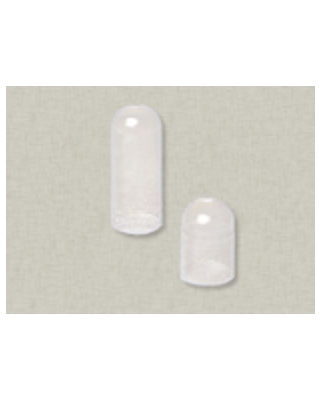
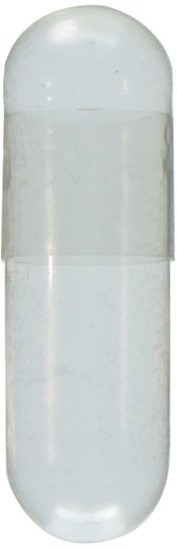
Clear Gelatin Capsules vs. Vegetarian Capsules: Key Differences Explained for Choosing the Right Empty Capsule

Clear gelatin capsules and vegetarian capsules are the two primary options for holding powders, granules, oils, and liquids. This guide explains what they’re made of, how they perform differently, and how to choose the best type for your needs. You’ll learn about the composition of gelatin shells, the properties of HPMC and pullulan vegetarian capsules, and how to select based on diet, moisture sensitivity, dissolution rate, and production scale.
Formulators and home users alike often find it challenging to match a capsule material to sensitive ingredients or meet vegan, halal, or kosher requirements. This article addresses those challenges with direct comparisons, decision guides, and advice on machine compatibility. We’ll cover material sources, moisture stability, dissolution characteristics, cost, and environmental considerations, along with which capsule filling machines work best with each type. You’ll also find comparison tables, selection charts, and quick answers to common questions to help you make informed decisions about capsule selection.
What Are Gelatin Capsules and Their Main Characteristics?
Understanding gelatin capsule composition is key: these capsules are essentially empty shells crafted from gelatin, a protein sourced from collagen, which reliably melt and dissolve in your digestive system, releasing the contents. Gelatin's unique protein structure and the plasticizers used create a capsule with predictable dissolution patterns and a tendency to interact with moisture, which can affect your fill and storage conditions. Gelatin shells typically perform well with dry powders and granules, offering consistent release and being quite cost-effective compared to many vegetarian options. Understanding how gelatin behaves with moisture and its dissolution advantages helps formulators decide when gelatin shells are a good fit and when alternatives might be a better strategic move.
What Ingredients Are Used in Gelatin Capsules?

The gelatin capsule composition includes collagen-derived gelatin. Capsule Connection capsules are made from pure Kosher and Halal beef gelatin, with the only other ingredient being purified water. Other suppliers may source their gelatin from porcine collagen and may add preservatives, additives, or plasticizers such as glycerin or sorbitol to ensure flexibility and prevent brittleness. The water content is carefully controlled during manufacturing to achieve the desired mechanical strength and dissolution rates. These ingredient choices directly influence the capsule's moisture content and how it behaves over time, so formulators pay close attention to both the raw material source and any additives when specifying shells for sensitive fills. Clear gelatin capsules, therefore, represent a straightforward, animal-derived shell with well-understood composition and processing characteristics.
What Are the Advantages of Gelatin Capsules?
- The advantages stem from the gelatin capsule composition, which allows consistent and relatively quick dissolution in gastric conditions, helping ensure predictable bioavailability for many active ingredients.
- Gelatin shells are generally budget-friendly, providing a more economical shell option for both small-scale and large-scale producers.
- With a long history of use, manufacturing practices and regulatory familiarity are well-established, simplifying product development and quality control processes.
These advantages often lead to gelatin being the go-to choice when cost, predictable dissolution, and compatibility with dry fills are top priorities, though dietary and ethical considerations might steer you toward alternatives.
What Are the Disadvantages of Gelatin Capsules?
- Since gelatin is derived from animals, it's not suitable for vegan consumers. It may also require specific certification or substitution to meet halal or kosher claims unless sourced and certified accordingly.
- Gelatin shells are hygroscopic, meaning they can absorb or release moisture. This can destabilize ingredients sensitive to moisture and necessitates strict packaging and storage controls.
- Ethical or religious concerns among your target audience can limit market reach, making vegetarian alternatives necessary for specific label claims.
Recognizing these drawbacks naturally leads to exploring plant-based capsule materials that can address dietary needs and certain stability concerns.
What Defines Vegetarian Capsules and Their Key Properties?
Understanding the HPMC capsules benefits helps highlight why these vegetarian shells are preferred for certain fills, offering alternatives to animal-derived gelatin with distinct performance characteristics. HPMC, a cellulose derivative, forms robust shells with lower hygroscopicity than gelatin. Pullulan, a polysaccharide, is known for its low oxygen permeability and a smooth, shiny appearance. Vegetarian shells support vegan and many religious label claims, and they influence moisture transfer, dissolution, and compatibility with liquids and oils differently than gelatin. Understanding these material properties helps formulators select shells when dietary inclusivity or specific barrier performance is important.
What Materials Are Vegetarian Capsules Made From?
Vegetarian capsules are commonly manufactured from hydroxypropyl methylcellulose (HPMC), pullulan, or other plant-cellulose derivatives, each produced through specific chemical or fermentation processes. HPMC is created from cellulose by adding hydroxypropyl and methyl groups to achieve desirable film-forming and mechanical properties. Pullulan, on the other hand, is produced through microbial fermentation of starch-derived sugars, yielding a polysaccharide with low oxygen transmission rates. These production differences impact shell clarity, moisture handling, and manufacturability, so choosing between HPMC and pullulan often depends on the intended fill, required barrier performance, and desired label claims.
What Are the Benefits of Vegetarian Capsules?

Vegetarian shells cater to vegan and many religious dietary needs, opening up broader market access for supplements and nutraceuticals.
- The HPMC capsules benefits include catering to vegan and many religious dietary needs, offering enhanced moisture barriers and lower oxygen permeability, which help protect ingredients sensitive to moisture or oxidation.
- Vegetarian capsules are often perceived as "clean-label" or allergen-friendly in various markets, potentially supporting premium positioning and building consumer trust.
These benefits help explain why formulators opt for HPMC or pullulan when dietary considerations, barrier properties, or a perception of naturalness are key priorities.
What Are the Limitations of Vegetarian Capsules?
- In many markets, vegetarian capsules can come with a higher price tag, industry estimates often show a premium compared to gelatin, which can impact the cost per unit, especially for smaller producers.
- Certain vegetarian shells might exhibit different dissolution behaviors or require specific processing techniques for liquid fills, making formulation testing essential. All of Capsule Connection capsules adhere to strict time requirements for breakdown in the acid environment, in less than 15 minutes.
- Variations in mechanical and barrier properties between different HPMC and pullulan types mean manufacturers must precisely match the material to the fill type to avoid performance issues.
Understanding these limitations is crucial for making informed decisions about when vegetarian capsules are the most strategic choice for your product.
How Do Gelatin and Vegetarian Capsules Compare: A Side-by-Side Material and Performance Analysis?
A detailed look at vegetarian capsules vs gelatin capsules highlights differences in material source, dietary suitability, moisture handling, dissolution characteristics, cost, and environmental impact, helping formulators make informed choices. This section offers a concise comparison table and a brief analysis of each attribute to aid your decision-making and formulation planning. Reviewing material sources and functional attributes side-by-side will help you determine which capsule type best aligns with your target consumers, fill sensitivity, and production constraints.
| Material Type | Origin / Source | Dietary Suitability | Typical Moisture Behavior |
|---|---|---|---|
| Gelatin (clear) | Collagen from animal-derived sources | Not vegetarian/vegan by default | More hygroscopic; equilibrates with environment |
| HPMC (vegetarian) | Cellulose derivative (plant-based) | Suitable for vegan/vegetarian and many religious claims | Lower water uptake vs gelatin; better for some moisture-sensitive fills |
| Pullulan (vegetarian) | Microbial polysaccharide | Suitable for vegan/vegetarian and many religious claims | Low oxygen permeability and moderate moisture stability |
This comparison table highlights that gelatin is animal-based with predictable dissolution but greater moisture exchange, while vegetable-derived HPMC and pullulan support dietary claims and offer different barrier behaviors that can protect sensitive fills.
How Do Gelatin and Vegetarian Capsules Differ in Material Source and Dietary Suitability?
The fundamental difference in material source is clear: gelatin comes from animal-derived collagen, whereas HPMC and pullulan are plant-based or microbially derived polysaccharides. This origin directly impacts dietary suitability and labeling. For vegan, vegetarian, halal, and kosher positioning, HPMC and pullulan are generally the preferred base materials, provided they are certified. Conversely, gelatin requires specific sourcing and certification to meet these claims. Understanding how the source maps to the claim helps brands decide which shells align with their target consumers and regulatory labeling strategies.
What Are the Differences in Moisture Content and Stability?
Moisture uptake and barrier properties vary significantly between shell types, directly impacting the stability of your fill. Gelatin often absorbs or releases moisture more readily than HPMC or pullulan. HPMC tends to exhibit lower moisture exchange and can offer improved dimensional stability for powders sensitive to moisture. Pullulan provides low oxygen permeability, which is beneficial for active ingredients prone to oxidation. For formulations sensitive to humidity or oxygen, selecting a shell with appropriate barrier characteristics and pairing it with controlled packaging and desiccants is key to mitigating stability risks.
Moisture Sorption and Desorption Properties of Gelatin, HPMC, and Pullulan Capsules
The diffraction peaks of the moisture equilibrated gelatin, HPMC and pullulan capsules were analyzed to determine the effect of moisture on the crystalline structure of the capsule materials. The dried and the moisture equilibrated gelatin, HPMC or pullulan capsules were subjected to tensile testing to determine their mechanical properties. The results showed that moisture content significantly affected the mechanical properties of all three capsule types. Gelatin capsules were found to be more susceptible to moisture than HPMC and pullulan capsules.
Moisture sorption and desorption properties of gelatin, HPMC and pullulan hard capsules, Z Jin, 2020
This research underscores how moisture content significantly influences the mechanical properties of all three capsule types, with gelatin proving more susceptible than HPMC and pullulan.
How Do Dissolution Rates Compare Between Gelatin and Vegetarian Capsules?
Dissolution behavior is influenced by shell chemistry and the gastrointestinal environment. Gelatin typically dissolves efficiently in gastric fluids, leading to reliable release for many immediate-release formulations. Vegetarian shells like HPMC may dissolve differently sometimes slightly slower or requiring specific conditions, so formulators should conduct dissolution testing when the release profile is critical. Ultimately, small-scale dissolution studies are essential when switching between shell types to ensure therapeutic equivalence or consistent release characteristics.
Gelatin vs. Hypromellose Capsules: Physicomechanical Properties Comparison
Comparison of gelatin and hypromellose capsules in this work demonstrated the key differences in their physical and mechanical properties. Hypromellose capsules exhibited lower moisture content and higher tensile strength compared to gelatin capsules. These differences are important for formulation development and manufacturing processes, as they can affect capsule performance and stability.
Evaluation and comparison of physicomechanical characteristics of gelatin and hypromellose capsules, 2006
Studies comparing gelatin and hypromellose (HPMC) capsules reveal key differences in their physical and mechanical properties, with hypromellose capsules demonstrating lower moisture content and higher tensile strength.
What Are the Cost Differences Between Gelatin and Vegetarian Capsules?
Cost variations can occur based on region and supplier, but vegetarian shells commonly carry a premium over gelatin due to material and processing expenses. Industry estimates often indicate a higher unit cost for HPMC and pullulan. Buyers should consider the scale of their operation—wholesale purchasing, batch volumes, and overall cost of goods—as per-unit cost differentials tend to narrow with larger orders and optimized supply chains. Cost considerations also intersect with market positioning, where a higher capsule cost can be justified by premium pricing tied to vegan or clean-label claims.
How Does Environmental Impact Vary Between Capsule Types?
Environmental impact assessments typically compare raw material sourcing, processing energy consumption, and end-of-life biodegradability. Gelatin is biodegradable and sourced from animal byproducts, while vegetarian shells are derived from plant or microbial feedstocks with varying life-cycle footprints. Current lifecycle data can be incomplete, and comprehensive sustainability comparisons require supplier-specific information on sourcing, processing emissions, and packaging. Brands should request lifecycle disclosures from their suppliers and consider sustainability as a decision factor when both performance and market expectations align.
Which Capsule Type Is Best for Your Dietary Needs and Supplement Formulation?
Selecting the right capsule for a vegan B12 supplement involves balancing dietary claims, fill type (e.g., a vegan iron supplement), stability requirements, dissolution targets, and cost. A structured decision framework can help map these variables to a recommended capsule type. The table below outlines common fill categories and dietary objectives, suggesting appropriate capsule materials and basic machine considerations, enabling quick alignment of formulation needs with capsule selection.
| Fill Type / Use Case | Recommended Capsule Material | Recommended Considerations |
|---|---|---|
| Dry powders & granules | Gelatin or HPMC | Test dissolution; consider moisture control for gelatin |
| Moisture-sensitive powders | HPMC or pullulan | Use low-moisture production, desiccants, and barrier packaging |
| Oils & liquid fills | Specialized vegetarian shells or encapsulation | Verify shell liquid compatibility and sealing processes |
| Vegan / religious claims | HPMC or pullulan | Verify certifications for vegan/halal/kosher as needed |
This guide clarifies practical pairings and emphasizes the importance of verification and testing when transitioning between material types.
Popular Supplement Applications for Vegetarian Capsules
Vegetarian capsules are widely used in dietary supplement formulations where vegan or vegetarian compliance is important. These capsules support a variety of product types while offering improved moisture and oxygen barrier properties.
Common applications include:
- Vegan omega 3 supplements: Specialized HPMC or pullulan capsules help protect oils from oxidation and maintain proper sealing, ensuring both stability and vegan labeling compliance.
- Vegan B12 supplements: Capsules maintain consistent dissolution and compatibility with moisture-sensitive powders.
- Herbal powders and plant extracts: Vegetarian shells provide a clean-label option that meets dietary preferences.
- Moisture-sensitive formulations: Reduced water uptake of HPMC capsules enhances stability for sensitive active ingredients.
By choosing the right vegetarian capsule type for these applications, formulators can meet dietary claims, improve ingredient protection, and maintain high-quality finished products.
How to Choose Capsules for Vegan, Vegetarian, Halal, and Kosher Diets?
Selecting capsules for specific dietary or religious markets starts with material choice, e.g., using HPMC or pullulan for a vegan iron supplement or other vegan products, and continues with verifying supplier certifications to substantiate halal or kosher labeling. Buyers should request documentation for certifications and ensure supply chain traceability to support claims on finished products. Confirming both the raw material origin and any processing aids or additives helps prevent mislabeling and safeguards brand trust among your target consumers.
A Review on Vegetarian Capsules: Replacing Gelatin in Manufacturing
Two-piece capsules have been used for almost a century in the pharmaceutical field, and gelatin has been adopted as the main material of these capsules due to its excellent characteristic as a gelatinizer. The gelatin dissolves under high concentration into water of a high temperature and quickly gels in room temperature. The thickness of the film made by the gelatin becomes uniform. The crosslinking of gelatin and drug incompatibilities and the strict regulations regarding the use of animal derived gelatin requiring the absence of transmissible spongiform encephalopathy (TSE) have encouraged the search for gelatin replacement.
A vegetarian capsule: A review, M Usman, 2012
The pharmaceutical industry has long relied on gelatin for capsule manufacturing due to its excellent gelling properties. However, concerns over crosslinking, drug incompatibilities, and regulations surrounding animal-derived materials have spurred the search for alternatives.
What Capsules Are Suitable for Moisture-Sensitive or Liquid Ingredients?
For powders sensitive to moisture, such as a vegan iron supplement or vaginal moisture support capsules, HPMC and pullulan capsules often offer superior barrier properties compared to gelatin, potentially reducing the need for aggressive moisture control measures, though packaging and desiccants remain important. Liquid or oil fills require careful compatibility checks: some vegetarian shells may need specialized processing or sealing to prevent leakage or interaction. Formulators often turn to specialized encapsulation techniques or enteric coatings for liquids. Choosing the right shell for liquids means testing seal integrity, potential migration risks, and long-term stability under intended storage conditions.
How Do Health Benefits Influence Capsule Choice?
Health claims derived from capsule materials should be approached with caution. While gelatin contains collagen-derived amino acids, manufacturers must avoid implying direct therapeutic benefits without solid evidence. In most cases, the capsule shell material does not alter the active ingredient's pharmacology. Product positioning might highlight that a capsule is made from a specific material (e.g., collagen-derived gelatin or plant cellulose), but efficacy claims should always be based on the active ingredient's evidence, not the shell. When marketing to consumers, clear, evidence-based statements are crucial for maintaining regulatory compliance and brand integrity.
What Capsule Filling Solutions Are Compatible with Both Gelatin and Vegetarian Capsules?
Many capsule filling solutions are designed to work with both gelatin and vegetarian shells, but compatibility hinges on shell dimensions, mechanical properties, and the fill type. Selecting a machine requires matching its throughput, accuracy, and gentle handling capabilities to your specific shell material. This section provides a concise machine compatibility table and practical guidance to help buyers choose between home and professional options based on their volume and precision needs.
| Machine Model | Compatible Capsule Types | Key Benefits / Use Cases |
|---|---|---|
| The Capsule Machine | Gelatin and vegetarian (HPMC, pullulan) | Ideal for home users and small batches; user-friendly operation |
| ProFiller machines | Gelatin and vegetarian | Higher throughput and precision for professional or commercial use |
| Medium-scale fillers | Gelatin and vegetarian | Balance of speed and flexibility for small manufacturers |
The table indicates that both The Capsule Machine and ProFiller machines are equipped to handle multiple capsule materials, allowing for flexible production across different shell types.
How Does "The Capsule Machine" Support Filling Both Capsule Types?
The Capsule Machine is engineered for home users and small-batch producers, supporting the filling of both clear gelatin capsules and vegetarian shells like HPMC and pullulan when handled correctly and with appropriate fill adjustments. Its straightforward clamping and tamping mechanisms allow users to process a variety of powders and granules with modest throughput and minimal setup, making it an accessible option for testing and low-volume production. For vegetarian shells, users should pay close attention to moisture content and employ gentle handling to preserve shell integrity and achieve consistent fills.
What Are the Advantages of ProFiller Machines for Professional Use?
ProFiller machines offer enhanced throughput, consistent accuracy, and more robust material handling capabilities, making them ideal for commercial operations that process both gelatin and vegetarian capsules. Key advantages include automated dosing options, tighter weight variation control, and scalability that can reduce labor costs while improving consistency for larger production runs. For manufacturers with higher volume requirements, ProFiller machines provide precise control and compatibility across capsule types, supporting product line diversification.
How to Select the Right Capsule Filling Machine for Your Needs?
Choosing a filling machine begins with aligning your production volume, desired fill accuracy, and capsule material compatibility with the machine's specifications and available support. Consider factors such as expected batch sizes, maintenance requirements, spare parts availability, and whether the machine handles delicate vegetarian shells gently enough to prevent breakage. For complex formulations or large-scale production, it's advisable to consult technical support and plan for process validation and ongoing maintenance to ensure consistent quality.
What Are Common Questions About Gelatin vs. Vegetarian Capsules?
This Frequently Asked Questions section provides direct answers to common queries from buyers and formulators, offering quick, practical guidance for procurement and formulation decisions. Below are concise answers followed by brief elaborations to support your decision-making and testing recommendations.
What Is the Main Difference Between Gelatin and Vegetarian Capsules?
The primary distinction lies in their material origin: gelatin is derived from animal collagen, while vegetarian capsules are made from plant-based (HPMC) or microbial polysaccharides (pullulan). This origin impacts dietary labeling, moisture behavior, and certain performance traits. Material origin dictates consumer suitability and can influence dissolution and barrier performance, making the choice dependent on both market demands and formulation compatibility.
Are Vegetarian Capsules Better Than Gelatin Capsules?
Vegetarian capsules aren't universally "better"; they are superior for vegan or specific religious dietary requirements and offer distinct barrier properties. However, gelatin often provides cost and dissolution advantages for many dry fills. The optimal choice depends on your priorities—dietary claims, stability needs, cost constraints and requires formulation-specific testing to confirm performance equivalence.
What Are the Disadvantages of Vegetarian Capsules?
Vegetarian capsules typically come at a higher cost than gelatin, may require additional formulation or processing for certain liquid fills, and can exhibit different dissolution characteristics that necessitate testing. These trade-offs mean vegetarian shells are chosen for their dietary and barrier benefits, with the understanding that additional validation or cost may be involved.
Which Capsule Type Is Best for Moisture-Sensitive Ingredients?
Evaluating gelatin vs vegetarian capsules for moisture-sensitive ingredients shows that HPMC and pullulan generally offer superior barrier protection and stability. However, packaging, desiccants, and storage control remain equally critical for maintaining stability. Always conduct stability and dissolution studies under intended storage conditions to confirm the final product's behavior.
Are Vegetarian Capsules More Expensive Than Gelatin Capsules?
Yes, vegetarian capsules generally carry a price premium over gelatin due to material and processing costs. However, the cost gap tends to narrow with larger wholesale purchases and optimized supply chains. Buyers should evaluate the total cost of goods, including packaging and testing, when comparing capsule options for commercial production.
How Does Capsule Connection Ensure Quality and Ethical Standards in Capsule Production?
Capsule Connection provides capsules that are all manufactured in FDA-inspected facilities, with GMP certification. We are an e-commerce and information hub dedicated to providing high-quality, affordable capsule filling solutions and empty capsules. Capsule Connection supports customers with educational resources and direct product sales. The company offers a range of products, including The Capsule Machine and ProFiller machines, alongside empty gelatin and vegetarian (HPMC and pullulan) capsules, emphasizing preservative-free options and ethical practices. These service elements are designed to help buyers source capsules and equipment while accessing valuable guidance on material selection and filling techniques.
What Makes Capsule Connection’s Capsules High-Quality and Affordable?
Capsule Connection highlights its value proposition by focusing on delivering high-quality, affordable capsule filling solutions and empty capsules, complemented by educational resources to assist customers with selection and usage. The variety of products offered encompassing clear gelatin shells and vegetarian options like HPMC and pullulan alongside accessible filling machines, helps small producers and home users choose materials and equipment that fit their formulation needs and budget.
How Does Capsule Connection Support Ethical and Preservative-Free Capsules?
Capsule Connection communicates a commitment to ethical capsules ingredients practices. All Capsule Connection capsules are preservative-free. This focus on preservative-free offerings and ethical sourcing assists brands that prioritize transparent ingredient lists and consumer-friendly positioning.
What Shipping and Wholesale Options Does Capsule Connection Offer?
Capsule Connection provides free shipping for retail orders exceeding $45 and free shipping for wholesale orders over $150, establishing clear purchasing thresholds for buyers managing shipping costs. For larger or specialized wholesale inquiries, the company indicates that wholesale options are available to support bulk purchasing needs.
Frequently Asked Questions
Can gelatin capsules be used for vegan products?
No, gelatin capsules are not suitable for vegan products as they are derived from animal collagen. For vegan formulations, it is essential to use vegetarian capsules made from materials like hydroxypropyl methylcellulose (HPMC) or pullulan, which are plant-based and meet vegan dietary requirements. Always check the source of the capsule material to ensure it aligns with vegan standards.
How do I know if a capsule is suitable for my specific fill type?
To determine if a capsule is suitable for your fill type, consider the moisture sensitivity, viscosity, and chemical compatibility of the fill material. Gelatin capsules generally work well with dry powders, while HPMC and pullulan are better for moisture-sensitive or liquid fills. Conducting dissolution and stability tests can help confirm compatibility and performance under intended storage conditions.
What should I consider when choosing between HPMC and pullulan capsules?
When choosing between HPMC and pullulan capsules, consider factors such as moisture barrier properties, dissolution rates, and the specific dietary claims you need to meet. HPMC capsules tend to have lower moisture uptake, making them suitable for moisture-sensitive fills, while pullulan offers low oxygen permeability, which is beneficial for oxidation-prone ingredients. Evaluate your product's requirements to make the best choice.
Are there any specific storage requirements for gelatin and vegetarian capsules?
Yes, both gelatin and vegetarian capsules have specific storage requirements. Gelatin capsules are hygroscopic and should be stored in a cool, dry place to prevent moisture absorption, which can affect stability. Vegetarian capsules, particularly HPMC, also require dry conditions but are generally less sensitive to moisture. Always check the manufacturer's guidelines for optimal storage conditions to maintain capsule integrity.
What are the environmental impacts of using gelatin versus vegetarian capsules?
The environmental impact of gelatin capsules primarily stems from animal sourcing and processing, while vegetarian capsules are derived from plant or microbial sources. Gelatin is biodegradable, but its production can involve higher carbon footprints. Vegetarian capsules may have a lower environmental impact, but this can vary based on sourcing and processing methods. Brands should assess lifecycle impacts and choose suppliers that prioritize sustainability.
Can I use the same filling machine for both gelatin and vegetarian capsules?
Yes, many filling machines are designed to accommodate both gelatin and vegetarian capsules, but it is crucial to ensure that the machine settings are adjusted appropriately for each type. Factors such as capsule size, fill type, and handling requirements can differ, so consult the machine specifications and perform tests to ensure compatibility and optimal performance.
What certifications should I look for when purchasing vegetarian capsules?
When purchasing vegetarian capsules, look for certifications that confirm their suitability for vegan, halal, or kosher diets. Certifications from recognized organizations can provide assurance that the capsules meet specific dietary standards. Additionally, check for documentation regarding the sourcing of materials and any processing aids used, as this can impact the overall integrity of the product.
Conclusion
Choosing between gelatin and vegetarian capsules involves understanding their unique benefits, such as gelatin's cost-effectiveness and predictable dissolution versus the dietary inclusivity and moisture protection offered by vegetarian options. This guide empowers formulators and consumers alike to make informed decisions based on dietary needs, fill types, and stability requirements. By exploring the various capsule types and their properties, you can align your product choices with market demands and consumer preferences. Discover our range of high-quality capsules and filling solutions to elevate your supplement formulations today.